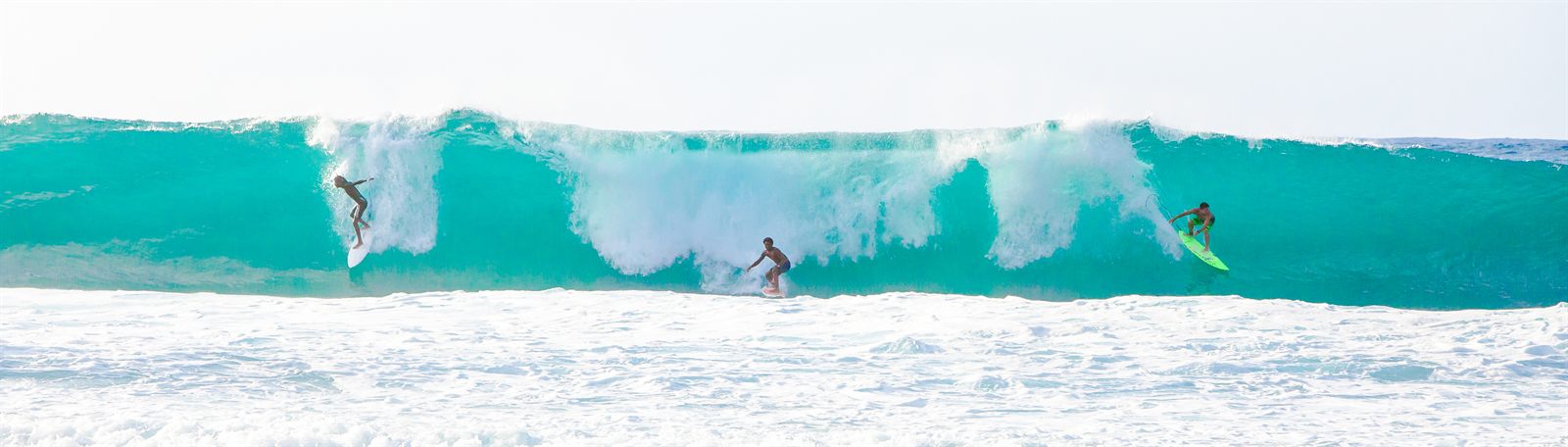
Rough Seas and Seasickness
Pick a stable cabin, prepare early and get help before it gets worse.
Find a Calmer CruiseWhy Ships Roll and Pitch
Ships move in two main ways: rolling from side to side and pitching from front to back. Wind, swell from distant storms and ocean currents all play a part. Some crossings, such as open-ocean stretches and certain straits and gulfs, are known for livelier seas in particular seasons.
Most modern cruise ships use stabilizers, fins that extend from the hull to reduce roll, and captains adjust speed and heading for comfort. Even so, a day or two of motion is a normal part of cruising for many people.
Before You Sail
- Pick a stable cabin. Low and midship is best. Our sister site Cruise Ship Deck Plans shows how to find it on a deck plan.
- Talk to your doctor or pharmacist about remedies before you travel, especially if you have been seasick before. Some options need a prescription and some cause drowsiness.
- Choose itinerary and season wisely. Calmer, sheltered routes such as Alaska’s Inside Passage or short Caribbean hops suit nervous sailors.
- Pack a few comforts: plain crackers, ginger sweets and any remedy you already know works for you.
If You Feel Seasick on Board
- Get fresh air on an outside deck, low and in the middle of the ship.
- Look at the horizon; it helps your brain match what your body feels.
- Eat small, plain meals and sip water; avoid heavy, greasy food and alcohol.
- Lie down with your eyes closed if you cannot get outside.
- Visit the ship’s medical center early rather than late; they see seasickness every week.
Safety in Rough Weather
When the sea gets up, the crew may close outer decks, pools and some venues. Follow those instructions; they exist for your safety. Use handrails on stairs, wear flat shoes, keep balcony doors closed and secure loose items in your cabin. If you have mobility concerns, ask guest services about any extra help available during rough weather.
Rough Seas Questions
Which cabin moves the least?
Cabins low down and near the middle of the ship generally feel the least motion. High cabins at the very front or back feel the most.
Will a big ship stop me feeling seasick?
Large modern ships have stabilizers and handle most seas well, but no ship is motion-free in a big swell. Size helps; cabin location and preparation help too.
Can the captain avoid a storm?
Often, yes. Captains watch forecasts closely and may change course, speed or the order of ports to avoid the worst weather, which is one reason itineraries change.
After the Cruise
Some people feel they are still swaying for a day or two after stepping ashore. This “land sickness” usually passes on its own; if it lasts, speak to your doctor.
Choose a Smoother Sailing
Worried about motion? Tell us your dates and comfort concerns. Our cruise advisors at Mister Cruise will suggest calmer itineraries and stable cabins and send free quotes.
Find a Calmer Cruise